Secure cloud-native application development
We build web, mobile, operational and data applications in your AWS environment. Services, interfaces and support are designed with the product.
We design, build, modernise and run secure, scalable applications on AWS. Product engineering, infrastructure, monitoring, recovery and cost control stay part of the same delivery plan.
We build web, mobile, operational and data applications in your AWS environment. Services, interfaces and support are designed with the product.
We choose the simplest compute model that fits the demand, runtime, portability, recovery needs, cost and skills already in the team.
We rehost, replatform or refactor one defined workload. Representative tests, data checks, cutover and rollback are part of the plan.
We version the infrastructure, automate releases and set up monitoring, recovery, budgets and runbooks so the application can be supported after launch.
We choose services after we understand the outcome, demand, data, likely failures and who will own the workload.
We test dependency failures, restore and rollback against the downtime and data loss the business can accept.
Your team controls the AWS accounts, code, infrastructure definitions and data. We document support and exit responsibilities.
Score one application or migration slice. A strong score comes from evidence about the outcome, demand, data, likely failures and who will support it. Certifications and a preference for serverless do not make a workload ready.
Each slider starts at 1 because the assumption is unproven. Score one application or migration slice, not your organisation’s general appetite for cloud.
A platform choice would still rely on guesses about demand, data, failure or ownership. Start with one user journey, evidence of real demand, its data path and the business cost of interruption.
Send the result and your optional context to ORBN for a personal response.
Use this score to guide an early discussion. It is not an architecture, security, privacy or resilience assessment. One serious constraint can outweigh the total.
The product comes first. ORBN designs the workflow, integrations and AWS environment as one service. We use managed capabilities when they reduce risk or make the application easier to run.
Requisitions, approvals, catalogues, orders, receipts and exceptions connected to finance and the system that owns each supplier record.
Keep availability, eligibility, capacity, payments and fulfilment in step so the same person, place, vehicle or service window cannot be sold twice.
Connect the customer journey to pricing, ERP, warehouse and payment systems through a phased change that can be reversed.
A well-structured application using managed services can be easier to run than a network of microservices. How the software runs, demand, recovery, security, team skills and likely change should guide the choice.
Fits short-lived APIs, scheduled work and background processing when the team understands execution limits, concurrency and retries.
Fits web services, workers and existing runtimes that need consistent packaging without the burden of managing a cluster.
Fits workloads where several teams need Kubernetes APIs and its ecosystem. It is not the default for one ordinary application.
Choose the user journey, owner, current baseline, integrations and the business cost of delay or failure. Write down what the first production release will leave out.
Use realistic volume, latency and retention. Classify the data, map identity and dependencies, then choose the failure you most need to understand.
Compare managed services, serverless, containers and existing components against team skills, recovery, security, portability and total cost.
Build the user path, data flow and infrastructure together. Before adding scope, test load, a failed dependency, restore, rollback, alerts and support ownership.
ORBN deploys into infrastructure you control. We can support the application after launch or transfer it to another team. Access, documentation and regular recovery tests make that control real.
Your team controls the AWS organisation, repositories, identities, billing, infrastructure definitions, core records and export paths.
We version each change, restrict access and document how to audit, patch, restore and roll back the service.
Budgets, dashboards, useful alerts, runbooks, support authority and documentation make it practical to hand the service to another team.
Cloud billing adjusts with use, but it is not automatically cheap or predictable. Separate product delivery, AWS usage and ongoing support, then show the volume, environments, recovery and service assumptions behind each estimate.
Define the product, demand, data and main threats. Compare architecture options by testing the condition most likely to change the plan.
Build one complete production release, including the user experience, rules, APIs, infrastructure, monitoring, testing, migration and recovery.
Budget for compute, databases, storage, data transfer and logs alongside incidents, security updates, backups, user support and product changes.
Crowlite connects order intake, route planning, warehouse work, mobile picking and operational reporting. Route planning fell from as much as eight hours to less than 20 minutes, with more than £36,000 in reported annual savings.
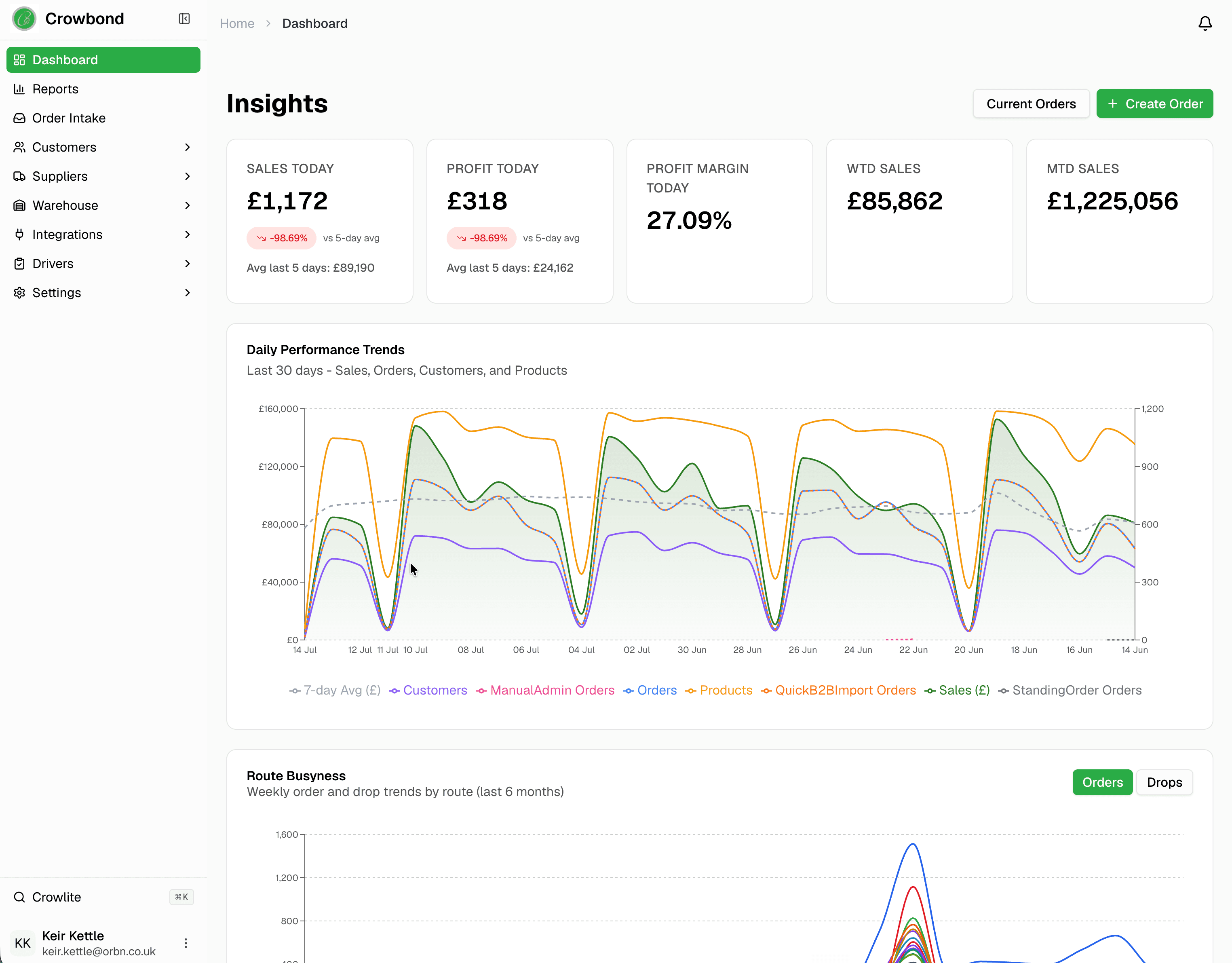
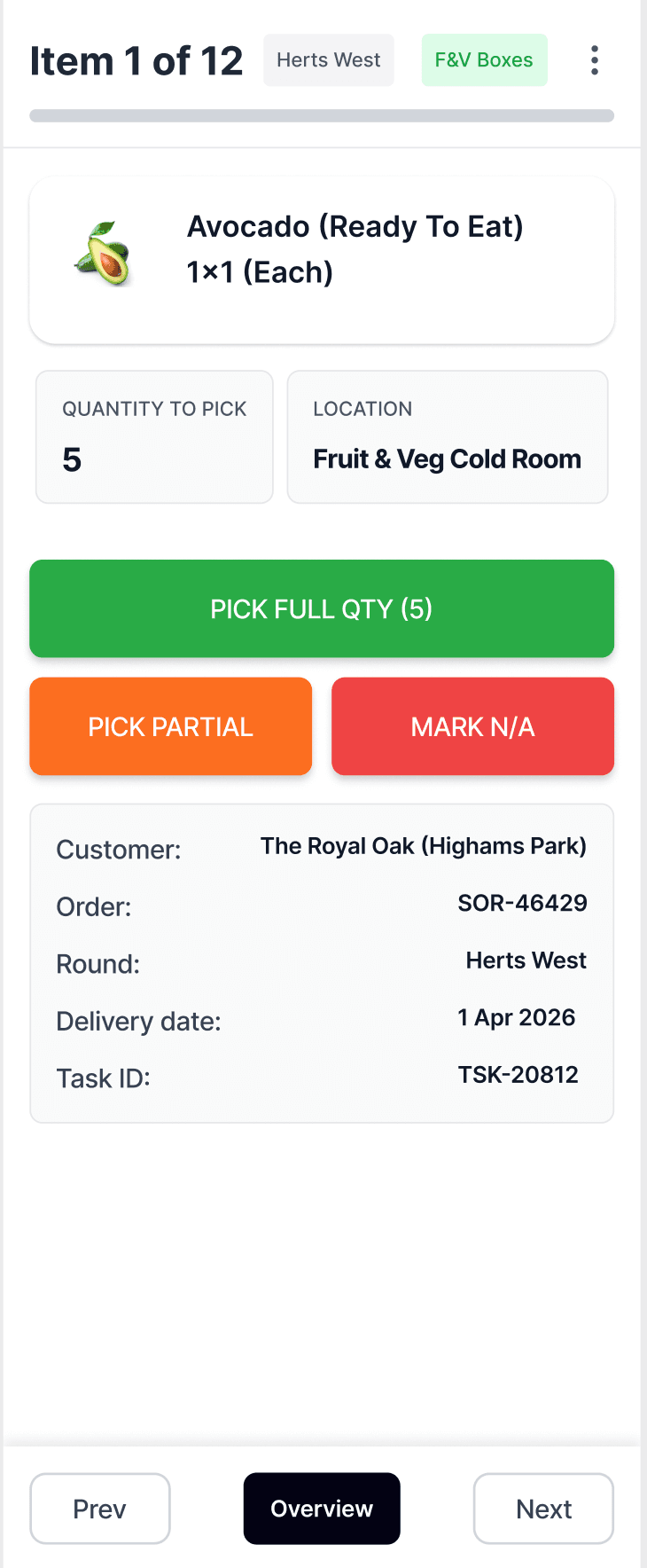
Results reported for this engagement. Outcomes vary with the application, operation and starting point.
Cloud-native applications use cloud services as part of how they are built and run, rather than treating the cloud as rented server space. This can include managed compute and databases, automated infrastructure, capacity that adjusts to demand, monitoring and tested recovery. You do not need microservices or Kubernetes to get those benefits.
A cloud-native development company designs the product and its cloud environment together. The work can include discovery, web and API development, identity, infrastructure as code, data services, automated releases, monitoring, recovery, cost controls and support.
No. One well-structured application using managed services can be easier and cheaper to run than a network of small services. Split a component out when it needs its own owner, release schedule, scaling or failure boundary. Microservices are a design choice, not a maturity badge.
Yes, when AWS is a good fit. ORBN can assess the workload, test the target platform, move data and interfaces, manage a controlled cutover and set up the new operating controls. The work may involve rehosting, replatforming, selective refactoring or phased replacement.
Cost depends on the product scope, integrations, data, testing, environments, availability, migration and support. AWS usage is separate and depends on compute, storage, databases, data transfer, logs and support commitments. A useful proposal separates delivery from ongoing cloud and support costs, then shows the assumptions behind each.
Yes. ORBN can assess the storefront, customer accounts, catalogue, pricing, payments, orders and fulfilment. We then retain, replatform or refactor the parts that limit reliability or make change difficult. The modernised platform can connect to ERP, WMS and other core systems through monitored interfaces.
Compare AWS compute options against demand, team skills, recovery needs and the work required to run them.
R/02Understand delivery, usage and support costs, plus the assumptions a proposal should show.
R/03Assess, stabilise and move an existing application in controlled production stages.
R/04Connect the workload to the systems that own its data, with monitoring and a clear recovery path.
Bring the business change or operational risk the application must support. We will identify its constraints and prove the riskiest part on AWS.